How ss the content of the blog ?

Pegasus-Thrusting thoughts

Pegasus-Thrusting thoughts

Wednesday, November 16

Mumbai's arieal view

Maharashtra- Aerial View... Worth seeing.


cid:28.724280890@web94802.mail.in2.yahoo.com

cid:30.724280890@web94802.mail.in2.yahoo.com

cid:31.724280891@web94802.mail.in2.yahoo.com

cid:32.724280891@web94802.mail.in2.yahoo.com

cid:29.724280890@web94802.mail.in2.yahoo.com

cid:33.724280891@web94802.mail.in2.yahoo.com

cid:34.724280891@web94802.mail.in2.yahoo.com
cid:1.724280890@web94802.mail.in2.yahoo.com

cid:27.724280890@web94802.mail.in2.yahoo.com

cid:26.724280890@web94802.mail.in2.yahoo.com

cid:2.724280890@web94802.mail.in2.yahoo.com

cid:3.724280890@web94802.mail.in2.yahoo.com

cid:4.724280890@web94802.mail.in2.yahoo.com

cid:5.724280890@web94802.mail.in2.yahoo.com

cid:6.724280890@web94802.mail.in2.yahoo.com

cid:7.724280890@web94802.mail.in2.yahoo.com

cid:8.724280890@web94802.mail.in2.yahoo.com

cid:9.724280890@web94802.mail.in2.yahoo.com

cid:10.724280890@web94802.mail.in2.yahoo.com
cid:11.724280890@web94802.mail.in2.yahoo.com

cid:12.724280890@web94802.mail.in2.yahoo.com

cid:13.724280890@web94802.mail.in2.yahoo.com
cid:14.724280890@web94802.mail.in2.yahoo.com

cid:15.724280890@web94802.mail.in2.yahoo.com

cid:16.724280890@web94802.mail.in2.yahoo.com

cid:17.724280890@web94802.mail.in2.yahoo.com
cid:18.724280890@web94802.mail.in2.yahoo.com
cid:19.724280890@web94802.mail.in2.yahoo.com

cid:20.724280890@web94802.mail.in2.yahoo.com
cid:21.724280890@web94802.mail.in2.yahoo.com
cid:22.724280890@web94802.mail.in2.yahoo.com
cid:23.724280890@web94802.mail.in2.yahoo.com
cid:24.724280890@web94802.mail.in2.yahoo.com

cid:25.724280890@web94802.mail.in2.yahoo.com
 

The Great Indian Banyan Tree


The Great Indian Banyan Tree
The Great Banyan is a banyan tree (Ficus benghalensis) located in Acharya Jagadish Chandra Bose Indian Botanic Garden, Howrah, near Kolkata, India. It was the widest tree in the world in terms of the area of the canopy and is estimated to be about 200 to 250 years old. It became diseased after it was struck by lightning, so in 1925 the middle of the tree was excised to keep the remainder healthy; this has left it as a clonal colony, rather than a single tree. A 330 m long road was built around its circumference, but the tree continues to spread beyond it. 08
More images after the break...

History and Description
The Great Banyan tree is over 250 years old and in spread it is the largest known in India, perhaps in Asia. There is no clear history of the tree, but it is mentioned in some travel books of the nineteenth century. It was damaged by two great cyclones in 1884 and 1886, when some of its main branches were broken and exposed to the attack of a hard fungus. With its large number of aerial roots, The Great Banyan looks more like a forest than an individual tree. The tree now lives without its main trunk, which decayed and was removed in 1925. The circumference of the original trunk was 1.7 m and from the ground was 15.7 m. The area occupied by the tree is about 14500 square metres (about 1.5 hectares or 4 acres). The present crown of the tree has a circumference of about 1 kilometre and the highest branch rises to about 25 m; it has at present 2880 aerial roots reaching down to the ground.
Via


Ram Madhav article- 'Save Lord Padmanabha from neo-iconoclasts'

In new window
Print all

Ram Madhav article- 'Save Lord Padmanabha from neo-iconoclasts'


More


Save Lord Padmanabha from neo-iconoclasts: Ram Madhav
270676_118272724930939_100002446372289_158475_7517571_n.jpg
Lord Padmanabha’s wealth belongs to Him only 
Goddess Lakshmi resides where Lord Padmanabha is. For, the Lord is an aspect of Lord Vishnu himself, whose consort is Goddess Lakshmi, the Goddess of Wealth. No surprise that such huge amount of divine wealth has been unearthed in the locked up chambers of Lord Padmanabha’s temple in the present day Thiruvananthapuram, earlier known as the capital city of the Royalty of Travancore.
After finding such enormous wealth the right question to be asked first is as to how come a relatively smaller temple of Lord Padmanabha had so much wealth while much more popular shrines like the Balaji at Tirupati in Andhra Pradesh or for that matter the Guruvayurappan temple in Kerala itself seem to have much less? No one can dispute the fact that these two temples have been much more popular and have attracted many times more devotees for centuries. Nobody can also dispute the fact that they must have attracted lot more of public endowment in all these centuries. What happened to all that wealth of these temples?
Therein lies the answer to many issues being raised by the overzealous over the recently unearthed wealth of Lord Padmanabha. It is safe only and only in the hands of the Lord, and none – not even the Government-run trusts – deserve to handle it. By now it has become common knowledge that the wealth is the accumulated offerings by the successive kings of the royalty of Travancore and many other kings, rulers – Indian as well as foreign, traders and commoners.
One should acknowledge the enormous commitment of the royalty to Lord Padmanabha in safeguarding this wealth. I have had personal acquaintance with the royals of Travancore. It is known to many in Kerala that the royal family’s financial fortunes have dipped considerably in the last few years to an extent that they were finding it difficult to manage the temple affairs too. It has resulted in some problems between the temple priests and other staff and the royals who manage the temple. I am told that there were several such occasions earlier too when the royalty had faced acute financial strains. Yet they never dared to touch the temple wealth, an iota of which would have met many of their needs.
It is nobody’s case that we should condone the omissions and commissions of the royals, if any, in managing the temple affairs. However it must also be borne in mind that successive kings of Travancore deserve rich tributes for protecting this vast wealth with utmost devotion and sincerity. The British had looted several temples in the country and transferred all the booty to the Royal Palace in London. In fact the Queen must in great sorrow after the news of this unearthed wealth and cursing for sure the inefficient officers of the British Raj for failing to do that when they had the chance.
However the rapacious political leadership that succeeded the British has meticulously completed their unfinished task in the last 6 decades. Temples like Tirupati and Guruvayur and many more are a standing example of this domestic loot. The story of the loot of Hindu temples in India by our political masters post-Independence pales Ghori and Ghaznvi into obscurity.
On January 17, 1750 the then ruler of Travencore Anizham Thirunal Marthanda Varma stood before the Lord Padmanabha and offered his entire kingdom at His altar. After that the successive rulers had rechristened themselves as Padmanabha Daasa – vassals of Lord Padmanabha. Like loyal soldiers they not only protected the kingdom and the temple but also the enormous wealth it had earned over centuries.
Loot of Hindu temples by the political masters in post-Independence India has acquired humongous proportions. Lands and other property of many a temple have been nibbled away by the goons of local and sometimes provincial political termites. Jewellery, cash and artifacts including antique sculptures have been stolen from the museums directly or sometimes through sleight of hand by taking them to overseas destinations in the name of India exhibitions and replacing the valuables with duplicates and sending them back while the originals found their way into international markets for huge sums. There are serious allegations that this kind of loot has made several politicians billionaires while the temples have turned into paupers.
The ongoing litigation that has led to the opening of the locked chambers at the Padmanabha temple appears to be motivated by some such sinister designs only. There is no dearth of treacherous Hindus in our country. They become easy tools in the hands of greedy politicians – a breed for which too there is no dearth in India. The entire game plan appears to be to loot the wealth of Lord Padmanabha by hook or crook.
In a way this litigation has brought back into focus the critical issue of the control of Hindu temples by the political establishment. Temples and their entire wealth – whether it is lands or offerings or antiques – should belong to the Hindu society only. There is a need to amend or discard the Hindu Endowment Act so that the religious places of Hindus become the property of the society rather than the government. Travancore proved that devout Hindus can safeguard temples better than unscrupulous politicians.
Chief Minister of Kerala was sensible in declaring that his government has no interest in taking over the wealth or management of the Padmanabha temple. Suggestions by sections of the media and intelligentsia like creating a museum or trust are also too premature. What is needed is for the entire Hindu society including the saints and spiritual leaders to vociferously oppose any move to take over the temple or its wealth. Let it be protected by the management as before and let there be a larger discussion over the management of Hindu temples by Hindu society itself.

--


World's longest sea bridge opens in China

World's longest sea bridge opens in China ...
(but don't think about crossing it on foot, it's the length of a marathon)


At 26.4 miles long, it is five miles further than the distance between Dover and Calais


By
DAILY MAIL REPORTER

China has opened the world's longest cross-sea bridge - which stretches five miles further than the distance between Dover and Calais .
The Jiaozhou Bay bridge is 26.4 miles long and links China's eastern port city of Qingdao to the offshore island Huangdao.
The road bridge, which is 110ft wide and is the longest of its kind, cost nearly £1billion to build.


A bridge over
 misty waters: The immense £1billion structure which is supported by more
 than 5,000 pillars stretches for 24 miles along China's eastern port city of Qingdao to the offshore island Huangdao
A bridge over misty waters: The immense £1billion structure which is supported by more than 5,000 pillars stretches for 24 miles along China's eastern port city of Qingdao to the offshore island Huangdao
Engineering feat: The vast bridge, the largest cross-ocean
 bridge in the world, cost £960million
 and took four years to build
Engineering feat: The vast bridge, the largest cross-ocean bridge in the world, cost £960million and took four years to build

Chinese TV reports said the bridge passed construction appraisals on Monday and it, along with an undersea tunnel, would be opened for traffic today.

It took four years to build the bridge, which is supported by more than 5,000 pillars across the bay, and it is almost three miles longer than the previous record-holder - the Lake Pontchartrain Causeway in Louisiana .
The Jiaozhou Bay Bridge in Qingdao
The
 Jiaozhou Bay Bridge in Qingdao
Lengthy: The bridge stretches into the distance further than the eye can see and right, the first few cars  roll out across the surface
Open road: Drivers pass through the mist as they make some of the first passes over the 110ft wide bridge which is longer than any others of its kind
Flowers: The first vehicle runs
 into toll station to the
 applause of staff and passers-by after the bridge opened to traffic today
Flowers: The first vehicle runs into toll station to the applause of staff and passers-by after the bridge opened to traffic today

Musical mileage: A brass band plays on the sides of
 the road as flags and banners herald in the opening of the bridge
Musical mileage: A brass band plays on the sides of the road as flags and banners herald in the opening of the bridge


The start
 of things to come: Two cars edge through the toll gates that will raise revenue
 to maintain the £1billion bridge
The start of things to come: Two cars edge through the toll gates that will raise revenue to maintain the £1billion bridge

That structure features two bridges running side by side and is 23.87 miles long.

The three-way Qingdao Haiwan bridge is 174 times longer than London 's Tower Bridge , spanning the River Thames, but cuts only 19 miles off the drive from Qingdao to Huangdao.
Two separate groups of workers have been building it from different ends of the structure since 2006.
After linking the two ends of the bridge on December 22, one engineer said: 'The computer models and calculations are all very well but you can't relax until the two sides are bolted together.
Don't keep me
 hanging: The
 suspension beams form an imposing sight as the reach through the

 clouds and look down upon colourful flags marking the bridge's grand opening
Don't keep me hanging: The suspension beams form an
imposing sight as the reach through the clouds and look down upon colourful flags marking the bridge's grand opening
The long road home: The two roads which run alongside each other wind across The Jiaozhou Bay

The long road home: The two roads which run alongside each other wind across The Jiaozhou Bay

'Even a few centimetres out would have been a disaster.'
The engineering feat will only hold the record as the longest sea bridge for a few years - it will be beaten by another Chinese bridge in the next decade.
Last December officials announced workers had begun constructing a bridge to link southern Guangdong province with Hong Kong and Macau .
Set to be completed in 2016, officials said the £6.5billion bridge will span nearly 30 miles.
It will be designed to cope with earthquakes up to magnitude 8.0, strong typhoons and the impact of a 300,000 tonne vessel.
But both structures will still be dwarfed by the longest bridge in the world, also in China .
The Danyang-Kunshan Grand Bridge is an astonishing 102 miles in length.

Record breaker: The Qingdao Jiaozhou bay bridge, spanning 26.4 miles between Qingdao and Huangdao, will open for traffic today

Impressive: Testing on the bridge was completed on Monday and it is expected to be opened to traffic for the first time today
A driver's dream: Twenty-four miles of fresh untouched tarmac stretch from Qingdao to Hungdao
China bridge graphic

Can save Street childreen with a PHONE CALL

Posted: 07 Sep 2011 05:25 PM PDT
Hindu Seva Pratishthana’s Nele project has transformed the life of children wandering on Bangalore streets and has enabled them lead a respectful life. Nele means shelter in Kannada.  Their life has been brought on correct track of schooling and good conduct so as to become the responsible citizens of tomorrow.
Aruna Chetana Namma Mane Makkala Mantapa
 
 
It is a common sight in Bangalore to see children with torn clothes, disheveled hair, eyes full of hope, lugging a dirty bag on their tiny shoulder, picking bits and pieces of rags from the streets. They are totally deprived of the right to parent’s love and affection, basic education and support from society. The only choice for these kids to have their living is to feed themselves on the leftover food thrown around by the people. Apart from the rag-pickers there are also thousands of other children deprived of parental care and facing financial hardships who need homely atmosphere. It is no wonder that many of these children, devoid of basic schooling and cultural education, cultivate all the wrong habits and end up as anti social elements marching on the path of crime.
 
The city of Bangalore alone encompasses thousands of such children. It is the responsibility of any civilized society to take care of its people, especially children like these. Hindu Seva Prathisthana offers a ray of hope to these children in the form of Nele. Nele project was initiated by Hindu Seva Pratishthana in the year 2000 to provide residential care to such children. So far, 10 centres have been established in Karnataka that provide shelter to over 260 boys and girls. Facilities such as food, clothing and shelter; school based education, cultural education & social awareness; sports, music, fine arts, Sanskrit and Yoga along with the health and hygiene awareness are provided to destitute children.
 
Many of the children are brought here by the police or social workers to prevent them from falling victim to crime and social evils. The idea behind Nele is to provide a home-like atmosphere with loving care so that their emotional needs are also met along with the financial and material ones. So, the wardens and volunteers treat the children like members of their own family, mingle with them freely, and even dine with them regularly.
 
Of course, there are a handful of children who show little or no inclination for studies and show consistently poor academic results. Such children are first encouraged to study hard but if the situation does not improve, they are given vocational training. Once they are adults and equipped with minimum education or vocation skills, all Nele inmates are helped to find jobs. There are a few dropouts too, who want to return home instead of staying in Nele for their own reasons or due to family pressure with their elders insisting on taking them away.
 
Most parents regard Nele as a boon, because their children are receiving what they themselves could never provide––three meals a day, safe shelter, hygienic bathing facilities, clean clothes, decent education and opportunities for extracurricular activities. There are mothers who express relief that their children have escaped the horror of seeing their drunken fathers and scenes of domestic abuse everyday and being emotionally scarred by that.
 
Some children have seen their mothers walk out from the home abandoning them to the father and/or grandparents who then bring the children here. Also, street children are vulnerable to many other dangers––they get drawn to or are forced into drug abuse/being used as drug peddlers, thievery, beggary, gang fights, smoking, drinking, prostitution, etc. Many of them turn into juvenile delinquents. Nele aims to rescue children from that fate and put them on the path to becoming productive, disciplined, self-reliant and socially useful individuals. They are also encouraged to return to their parents.
 
Various festivals such as Raksha Bandhan, Makar Sankranti, Shrikrishna Janmashtami, etc are celebrated with religious fervor. A unique programme called Makkala Mantapa provides a platform to Nele children to compete in various sports and cultural events. Children from Nele have won prizes in music, drawing, athletics, kabaddi and kho kho at district level competitions. Nele children were invited to present a programme at prestigious Dussehra festival at Mysore and their performance was much appreciated by all.
 
Contact:
Hindu Seva Pratishthana
Ajitashri, 8/28
Bul Temple Road
Bangalore, India, 560 004
 
Landline nos : 26608926, 22425337
Mobile no: Krishnamurthy (9480316628), Prakash (9886250908)
 
How to reach:
 
By air: Bangalore International Airport is 40 km away from the heart of the city.
 
By train: Bangalore Majestic, Bangalore Cantonment (8 km to Majestic) and Yeshwanthpur (10 km away from Majestic) are the three main stations in Bangalore. Bangalore Majestic is connected to all major cities in India.
 
By bus: KSRTC buses connect all cities in Karnataka to Bangalore. Many super deluxe buses are also available to Bangalore from Hyderabad, Cochin, Trivandrum, Chennai, Mumbai, Goa and Mysore.

"The Effective Measure to Save Cow"- Article by Mulkh Raj Virmani, ORGANISER

Posted: 08 Sep 2011 12:29 AM PDT
SAFETY of cows of Bharatiya breed has all along been a matter of concern. Lovers of cow have run several movements culminating in supreme sacrifices made on November 7, 1966 agitation at the Parliament Street in New Delhi when innumerable people particularly several saints were mercilessly gunned down, their bodies, dead or half alive, transported by trucks to an isolated spot on the ridge, doused in kerosene and set on fire.
 
While the population of human beings is increasing, availability of nourishing food is shrinking. This is obviously due to steep fall in cows’ population particularly after Independence. During the last few years the government has financed the setting up of several abattoirs all over the country where cows are being slaughtered in great number and meat packed for export. Lovers of cow are helpless spectators.
 
 
In the face of this organised butchering, we have to step up our efforts to save the cow whom we endearingly call our mother. Agitational approach in the past has eluded success. In today’s context cow can be saved only if we seriously look to the economic and financial aspects of rearing it. We must make cows’ panchgavya products popular with the masses. Industrialists have to come forward to set up units to manufacture quality products with panchgavya as the basic raw material.
 
Cow slaughter ban not working
 
Out of the country’s population of 121 crore persons, atleast 100 crore cow lovers feel strongly in favour of a ban on cow slaughter. Despite the wish of this great majority of our people, central ban has not been enforced. In fact the ban in force in certain states is not being implemented properly. Let us concede that clamping of a ban alone will not stop killing of cows in a clandestine manner nor have we been able to check smuggling of cows to Bangladesh and other adjoining countries. This is happening because even the farmers, who otherwise worship the cow, are not able to feed old cows and willy nilly sell these at a throwaway price knowing fully well that the cows are ultimately be taken to slaughter houses.
 
Manufacture panchgavya products
I
n view of the above facts, only properly looking after the economic and financial aspects of rearing can save the cow. This can be done conveniently and effectively. Certain enterprising goshalas are already manufacturing a number of items with panchgavya as the basic raw material. Panchgavya consists of desi cows’ gou mutra, gobar, milk, curd and ghee and all these ingredients are good for health, skin and have other medicinal values. Many of the items can appeal even to the present generation because of their sooting effect on the skin such as chemical-less face cream, aftershave lotion, dhoop-batti which, instead of choking the respiratory system, has a salutary effect, coil to drive away mosquitos and flies, dental cream, bathing soap, health-giving cold drinks and several other products.. Success can be achieved only if the industrialists come forward in a big way to set up manufacturing units in areas where there are goshalas to ensure the availability of panchgavya as the raw material. These industrialists can manufacture several other items and also do research to make the best use of panchgavya. The industrial units should pay to these goshalas reasonable price for buying panchgavya so that they become financially strong to rear more cows. As far as marketing of these manufactured items is concerned, these very industrialists and the general public have to cultivate the habit to give as presents the goods manufactured by goshalas and industrialists and others on occasions such as Deepavali. This can be done on several other occasions also such as packets to go with marriage cards and while visiting friends and relatives. The purpose of popularising the use of panchgavya manufactured items is to generate funds to maintain not only cows in the goshalas but also get good returns to farmers through the sale of panchgavya items. These farmers will then never sell even the old cows. In fact old cows will also become a good source of income to the farmers. This is the only way to save the cow and the country.
 
 
Panchgavya is elixir
Our saints may also, through their discourses, ask their audience to use and exchange gifts manufactured from panchgavya which is elixir for long and healthy life. These saints are already telling their followers through their discourses about the health-giving qualities of cows milk and medicinal value of other products such as gou mutra. I had the good fortune to listen to the great Swami Shri Rajendra Dasji Maharaj’s Bhagwat Katha in Pathmera (Rajasthan) goshala where over 60,000 cows are being looked after with great dedication. The saint talked more about the dire need for looking after the financial aspect of rearing cows so that those who look after these cows may also lead a comfortable and contented life.
 
Cow can make significant contribution to the rural economy if 80 per cent of the country’s population as also the Indians living abroad may extensively use and propagate the use panchgavya-made products and exchange properly—packed gifts of these goods. This is the only practical way to save our mother cow. Mere shouting from roof tops that cow is our mother and we will not tolerate its butchering has not, in any way, resulted in protection. Let us be pragmatic.
 

Tribes Stage Dharna Against Forcible Conversions

Posted: 08 Sep 2011 02:26 AM PDT
September 7th, 2011, 9:59 pm
New Delhi September 8: A Dharna was held by more than 100 tribals from 14 states at Jantar Mantar to register protest against forcible Christian conversions on Sep 6.
Tribal MPs Kanjibhai Patel, Murarilal Singh, Anasuya Uike, Jyoti Burve addressed the participants.


Ladies handbags &Food Poisionong

Your HANDBAGS

Have you ever noticed girls who set their handbags on public toilet floors, then go directly to their dining tables and set it on the table?

Happens a lot!
It's not always the 'restaurant food' that causes stomach distress. Sometimes 'what you don't know will hurt you'!

Read on.......... ...
Mom got so upset when guests came in the door and plopped their handbags down on the counter where she was cooking or setting up food. She always said that handbags are really dirty, because of where they have been.

It's something just about every woman carries with them. While we may know what's inside our handbags, do you have any idea what's on the outside? Women carry handbags everywhere; from the office to public toilets to the floor of the car. Most women won't be caught without their handbags, but did you ever stop to think about where your handbag goes during the day.

'I drive a school bus, so my handbag has been on the floor of the bus a lot,' says one woman. 'On! The floor of my car, and in toilets.'
'I put my handbag in grocery shopping carts and on the floor of the toilet,' says another woman 'and of course in my home which should be clean.'

We decided to find out if handbags harbour a lot of bacteria. We learned how to test them at Nelson Laboratories in Salt Lake , and then we set out to test the average woman's handbag.

Most women told us they didn't stop to think about what was on the bottom of their handbag. Most said at home they usually set their handbags on top of kitchen tables and counters where food is prepared.
Most of the ladies we talked to told us they wouldn't be surprised if their handbags were at least a little bit dirty.

It turns out handbags are so surprisingly dirty, even the microbiologist who tested them was shocked.


Microbiologist Amy Karen of Nelson Labs says nearly all of the handbags tested were not only high in bacteria, but high in harmful kinds of bacteria. Pseudomonas can cause eye infections, staphylococcus aurous can cause serious skin infections, and salmonella and e-coli found on the handbags could make people very sick.

In one sampling, four of five handbags tested positive for salmonella, and that's not the worst of it. 'There is faecal contamination on the handbags' says Amy. Leather or vinyl handbags tended to be cleaner than cloth handbags, and lifestyle seemed to play a role. People with kids tended to have dirtier handbags than those without, with one exception.

The handbag of one single woman who frequented nightclubs had one of the worst contaminations of all. 'Some type of faeces, or possibly vomit' says Amy.

So the moral of this story is that your handbag won't kill you, but it does have the potential to make you very sick if you keep it on places where you eat. Use hooks to hang your handbag at home and in toilets, and don't put it on your desk, a restaurant table, or on your kitchen countertop.


Experts say you should think of your handbag the same way you would a pair of shoes. 'If you think about putting a pair of shoes on your countertops, that's the same thing you're doing when you put your handbag on the countertops. '
Your handbag has gone where individuals before you have walked, sat, sneezed, coughed, spat, urinated, emptied bowels, etc!

Do you really want to bring that home with you?
The microbiologists at Nelson also said cleaning a handbag will help. Wash cloth handbags and use leather cleaner to clean the bottom of leather handbags.

THIS IS WORTH SHARING!!! PLEASE PASS THIS ON TO YOUR GRANDMOTHERS, MOMS, DAUGHTERS, GRANDDAUGHTERS AND GIRLFRIENDS !

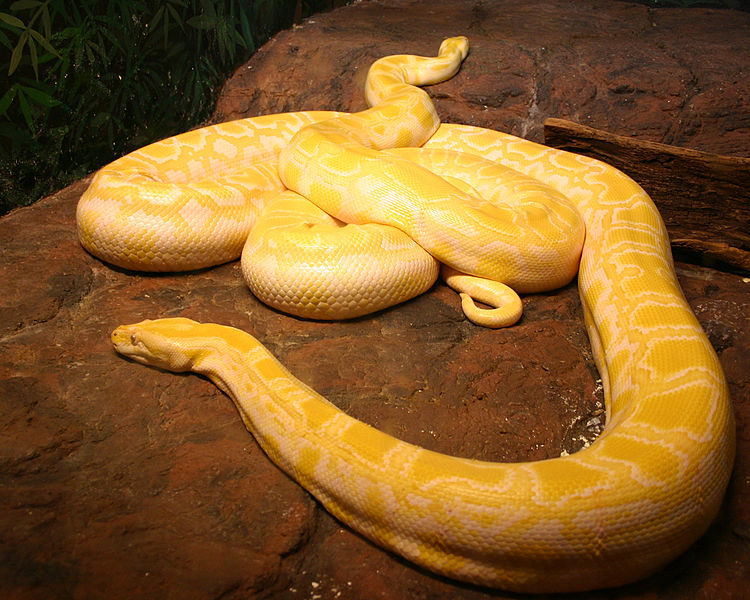
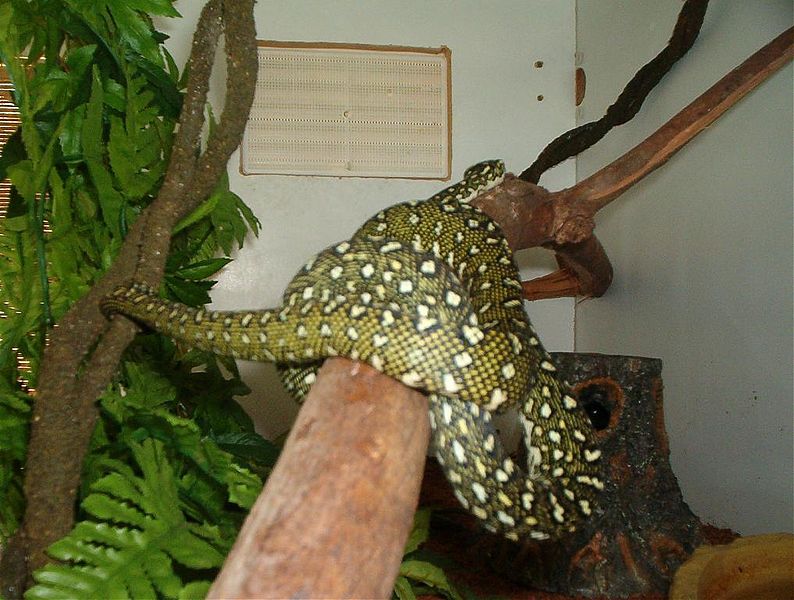
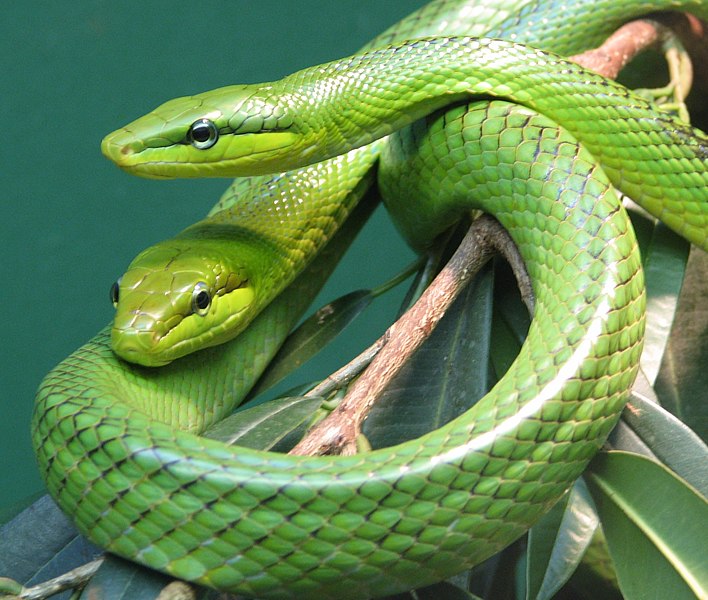
Beautiful Snakes

www.ritemail.blogspot.com